
Original article: LINK
By Danielle Rylak, Lindsey Moses, Carolina Torrejón Capurro and Frank Serafini
This study is focused on understanding how first-grade students in the USA engaged with writing when given the freedom to choose their own topics, genres, and formats. To do this, the researchers combined the best of a ‘writing workshop’ approach with the ‘genre study’ approach.
A contemporary writing workshop approach
A contemporary writing workshop approach prioritises the development of writing skills by explicitly teaching them through the writing processes. This model is designed to help children not only become better writers but also to understand writing as a purposeful activity aimed at a real audience. Key aspects of a modern writing workshop approach include:
- Writing as a process: Students are explicitly taught the writing processes – generating ideas, planning, drafting, revising, proof-reading, and publishing. Children are provided with ample instruction and time to practice these stages repeatedly and consistently, allowing them to ultimately internalise these processes.
- Peer collaboration: Collaboration with peers is a crucial component of the writing workshop. Students work with their teacher and friends to critique and improve their compositions [LINK and LINK]. This social aspect of learning emphasises the importance of communication and feedback in the development of writing skills.
- Connection between reading and writing: Teachers make explicit connections between reading and writing. By studying books from a writer’s perspective, students learn to identify and emulate components of the author’s craft in their own writing [LINK]. This approach helps students to see that they can apply lessons learnt from their reading directly into their own writing.
- Exposure to multiple genres: The diverse and structured nature of writing workshop allows students to read, discuss, and write across various genres. This exposure helps them to develop a broad range of writing skills and to understand the different conventions and purposes of different types of texts.
Overall, the writing workshop model fosters a rich, supportive environment where students can develop their writing abilities in a holistic and socially interactive manner. By integrating the study of texts, peer collaboration, and structured practice, writing workshop equips students with the tools they need to become confident and competent writers across multiple genres.
A genre study approach
According to the researchers, genre study within writing workshop has a crucial role to play in developing students’ writing skills. Genre study allows children to explore a variety of mentor texts which realistically match the kind of writing they are planning to make too.
- Role of mentor texts: Mentor texts are integral to genre study. These texts serve as models, offering students examples of the crafts and techniques used by established authors and illustrators [LINK]. By studying mentor texts, students gain insights into text structures and narrative techniques that they can then use and apply into their writing. This exposure helps them understand how different genres can function and what makes each unique.
- Appropriation and redesign: As students engage with mentor texts, they naturally begin to appropriate ideas and techniques from these works, adapting them into their own compositions [LINK].
- Modelling and confidence building: Teachers play a critical role in modelling how to use the author’s craft during instruction [LINK]. Through explicit and direct instruction, teachers demonstrate how to apply a writerly technique observed in the studied mentor texts [LINK]. This kind of instruction helps students build confidence in their own writing abilities. This modelling, combined with the availability of mentor texts, supports students in developing a deeper understanding of the typical features that can define different genres [LINK].
- Literary heritage: The concept of ‘literary heritage’ suggests that the literature to which children are exposed becomes a foundational element in their writing development. The techniques and styles they encounter in these texts are not just learnt but are incorporated into their own writerly repertoire, allowing them to take ownership of the craft. This process underscores the importance of providing students with rich and varied literary experiences to draw upon as they develop as writers [LINK].
Overall, genre study within a writing workshop approach encourages students to explore and experiment with different forms of writing, guided by the examples set by mentor texts and the support of their teachers. This approach helps students to develop a nuanced understanding of different genres, enhances their writing skills, and fosters a sense of ownership over their writing process.
Agency in the writing classroom
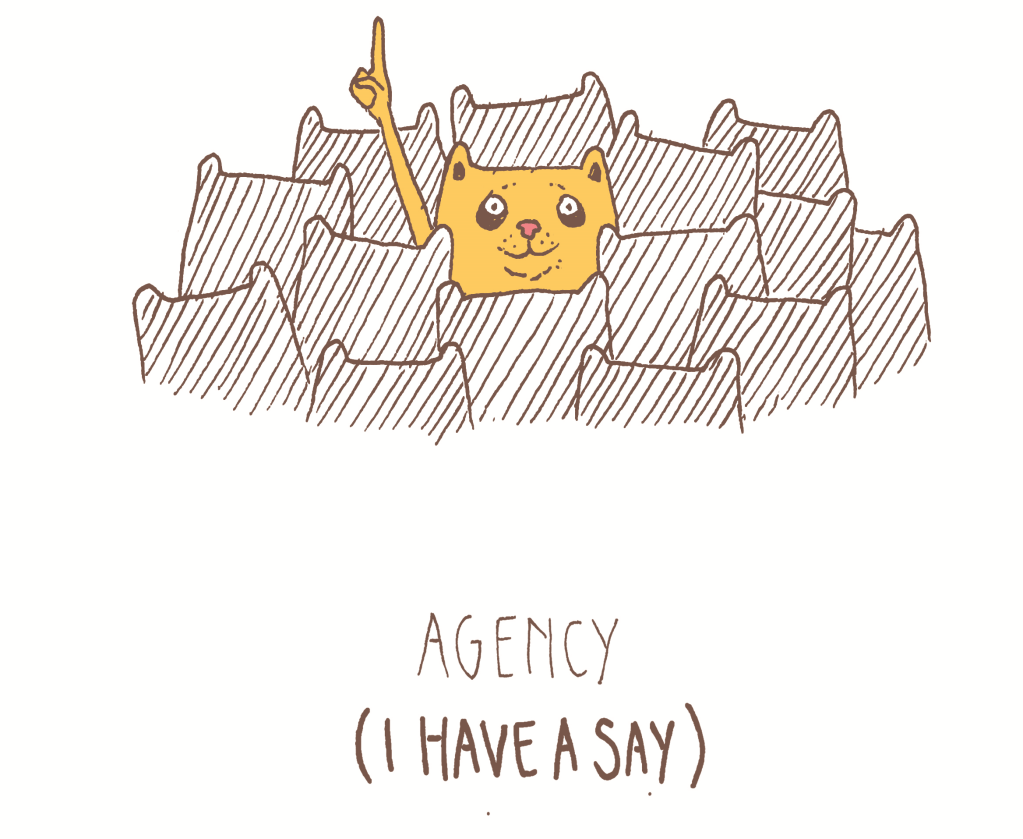
According to Rylak and their colleagues, agency is the ability of students to make deliberate decisions and act intentionally to achieve your their writing goals. This concept is central to the writing workshop approach, where students are encouraged to be active participants in their writing rather than passive recipients of someone’s else compositional ideas.
- Agency in the writing workshop: Compared to a presentational-skills approach to writing, the writing workshop model provides students with greater agency by placing them at the centre of the writing process. In this environment, teachers act as transmitters of knowledge but also as facilitators, allowing students more flexibility and choice in their writing. This gives students the opportunity to express their opinions, help set class writing goals, and work towards improving their compositions independently.
- Benefits of increased agency: Research suggests that when students are granted agency in the writing classroom — particularly through the freedom to choose their own writing topics within the parameters of a class writing project — they experience several benefits. These include reduced difficulty in generating topics, the production of longer compositions, an increased willingness to write during their free time, and greater confidence in sharing their writing with others. These outcomes indicate that students not only become more engaged but also develop a stronger sense of confidence as writers.
- Bringing outside lives into the classroom: Agency in writing workshop also allows students to bring their personal experiences and outside lives into the classroom [LINK]. This aspect of agency is crucial as it enables students to write about topics that are meaningful to them and to consider their audience when composing their manuscripts. Moreover, collaboration with peers further enhances their agency, as they learn to negotiate ideas and share their perspectives during the composing process [LINK].
The findings reveal important insights into how first graders like Maya and Bruno engage with and apply composing techniques when given the freedom to choose in an open-ended writing unit. The study highlights several key themes related to student agency, the role of multimodal instruction, and the implications for writing pedagogy.
Key findings:
- Application of techniques: Children continually utilised the techniques taught by their teacher, demonstrating that they had internalised these strategies [LINK]. When students are exposed to specific writing strategies, they are likely to incorporate them into their manuscripts even when not required, showing a deepening of their understanding and skill [LINK].
- Publishing: The study underscores the value of teaching students to use multiple modes—beyond written text—when creating their compositions. This approach aligns with research suggesting that multimodal instruction broadens students’ interpretive repertoires and enhances their ability to communicate. By allowing students to explore different modes, teachers support a more inclusive literacy practice that acknowledges diverse ways of knowing and expressing ideas.
- Student agency: The children were able to demonstrate agency in their writing by making purposeful, independent decisions about which writerly techniques they wanted to use. This agency was fostered by having a strong structure for class writing projects, while still offering flexibility and choice [LINK]. The ability to choose and redesign techniques according to their own compositional needs reflects the students’ growing independence as writers and their confidence in their creative decisions.
- The assumed tension between giving structure and allowing for complete freedom: The study identifies an assumed tension between providing children with structured support through planning sheets, success criteria and revision and editing checklists and allowing students the freedom to design and create anew. The reality is that structured support is there to help guide young writers and the freedom to choose their own writing ideas and ways of publishing are there to support their creative agency. The findings suggest that structured class writing projects and more open personal writing projects can help balance these needs, giving students the tools they need to write effectively while also allowing them the freedom to experiment and innovate.
Implications for practice:
- Pedagogical flexibility: The combination of structured class writing projects and personal projects appears to be a powerful approach, fostering both skill development and creative expression. Teachers might consider integrating more open-ended writing opportunities with more focused instructional units to support students’ agency and creativity.
Overall, this study contributes to a growing body of research that advocates for a more flexible, writer-centered approach to writing instruction, one that values student agency, structure, instruction, and the long-term development of writing skills. Indeed, providing pupils with agency should not be equated with teacher apathy. Structure provides the rules, guidelines, parameters, expectations, goals, instruction, and feedback for pupils’ autonomy to flourish. At the end of the day, it’s difficult for students to feel any sense of control over their writing if their writer-teacher is only ever providing chaos [LINK and LINK].