To write meaningful and successful texts for their readers, children need to utilise their cognitive empathy. For us, it’s this cognitive empathy that makes children’s writing so good. You know when you read a child’s writing and it’s fantastic but you can’t always put you finger on why? I think it’s usually because of this. Cognitive empathy includes using their inference, perspective taking and theory of mind skills in order to generate writing ideas their audience is really going to appreciate and respond to.

Inference – is about children engaging their reader by placing certain insights, nuances and implications into their writing. It’s about knowing how to leave clues, hints and suggestions for their readers to draw on and consider. Teachers can teach children how to do this by sharing ‘craft moves’. These are techniques that they or other writers use to get their readers thinking and speculating. For example, foreshadowing.
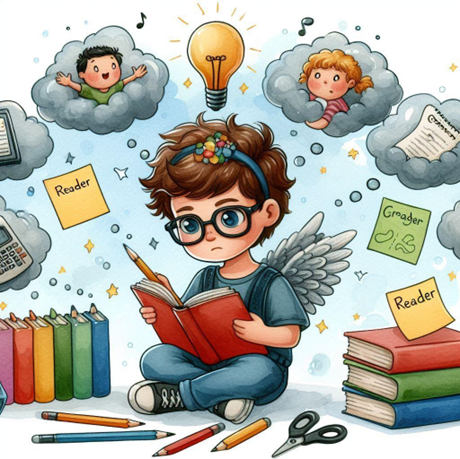
Perspective taking – involves being able to take on another person’s point of view. This might mean sharing how a character is feeling at certain moments in a story.
Teachers can actively teach writerly techniques authors use to consider character perspectives. For example, character monologue.
Perspective taking will also be required when children are invited to write about their reading [LINK and LINK] or to write about what they’ve learnt in the wider curriculum [LINK and LINK]. For example, considering what other people’s point of view might be will be necessary to write a meaningful and successful discussion text. Alternatively, they will have to use perspective taking if they are going to write a diary entry from the position of one of the characters in their reading.
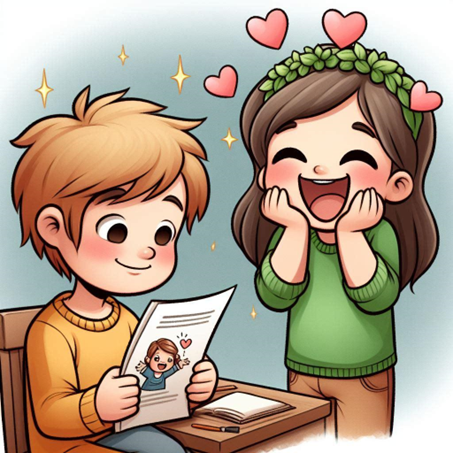
Theory of mind – part of developing children’s abilities to develop great writing ideas is to give them the opportunity to consider the audience for their writing.
Theory of mind is basically about children using their knowledge of their audience – their needs, thoughts and emotions – to help them craft texts they think their readers might like or react to. It’s about thinking about how their readers might interpret and respond to their writing ideas. One way to help children consider this important aspect of being a writer is to have them interview their potential readers prior to starting a new writing project. For example, they could ask them what they would want from a great story [LINK]. They can then go away and try and make that story for their reader(s). Alternatively, they can engage in dialogic talk [LINK and LINK], pupil-conferencing with their teacher [LINK], take part in revision checklist sessions [LINK], class sharing and Author’s Chair [LINK] and help set publishing goals for class writing projects [LINK].
***
If you found this article interesting, you may enjoy reading our book The Science Of Teaching Primary Writing.