Abstract
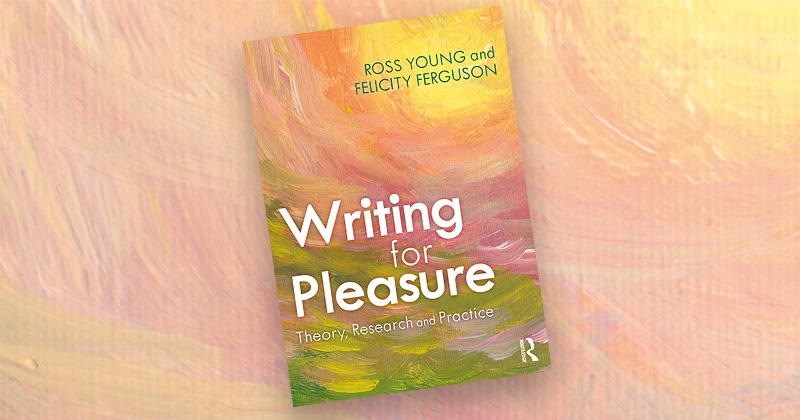
In the chapter Literacy For Pleasure – Connect Reading & Writing, from our book Writing For Pleasure: Theory, Research & Practice, we explore the influence of reading for pleasure on the practice and enjoyment of writing. Francine Prose (LINK) highlights the pivotal role of reading in a writer’s development, asserting that reading beloved authors not only provides enjoyment but also teaches the craft through immersion in quality writing (LINK). This sentiment is echoed by many authors who recommend extensive reading as a foundation for writing, as reading sparks ideas and fosters creativity (LINK).
An Ofsted (2011) survey of exemplary schools found that students are more motivated to read and develop writing ideas when:
- Exposed to regular read-aloud sessions
- Library visits
- A diverse array of high-quality texts
- Engaging in book discussions.
Listening to high-quality literature helps children develop an ‘inner ear’ for language, enhancing their writing skills (LINK). When students read and listen to quality texts, they tend to incorporate more literary features into their writing, resulting in improved writing quality (LINK). Moreover, exposure to poetry enriches children’s use of imagery and poetic devices in their own writing (LINK).
In summary, we support Dombey’s (2013) assertion that ‘children who read more write more and write better,’ highlighting the symbiotic relationship between reading for pleasure and writing development. An integrated approach fosters a deeper appreciation and skill-set in young writers, enhancing their overall literacy experience.
To find out more, download our book Writing For Pleasure here.