
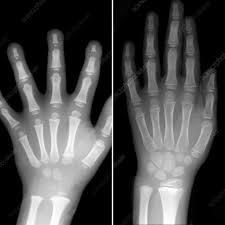
The myth
A persistent education myth claims that young children shouldn’t begin writing because ‘their bones aren’t ready’ or because they first need to perfect their gross and fine motor skills. According to this argument, letter formation and handwriting instruction should wait until a child’s hand bones are fully ossified or their motor coordination is deemed ‘mature enough.’
The evidence
1. Bone development is certainly not a barrier to basic writing movements.
Research on hand anatomy shows that children’s bones are still developing but ossification is not required for the basic movements involved in early writing (LINK). Even with flexible cartilage, young children are physically capable of drawing, engaging in emergent writing, and beginning letter formation.
2. Emergent writing is developmentally appropriate and essential.
Emergent writing includes scribbles, mock letters, and informed spellings. It is a normal, developmentally appropriate stage of writing development observed across cultures (LINK). Through emergent writing, children experiment with making meaning while learning more about conventional ‘adult writing’ and beginning explicit letter formation and handwriting instruction. Emergent writing kills dead the ‘motor skills first’ argument entirely. For more on this, I can highly recommend these two publications:

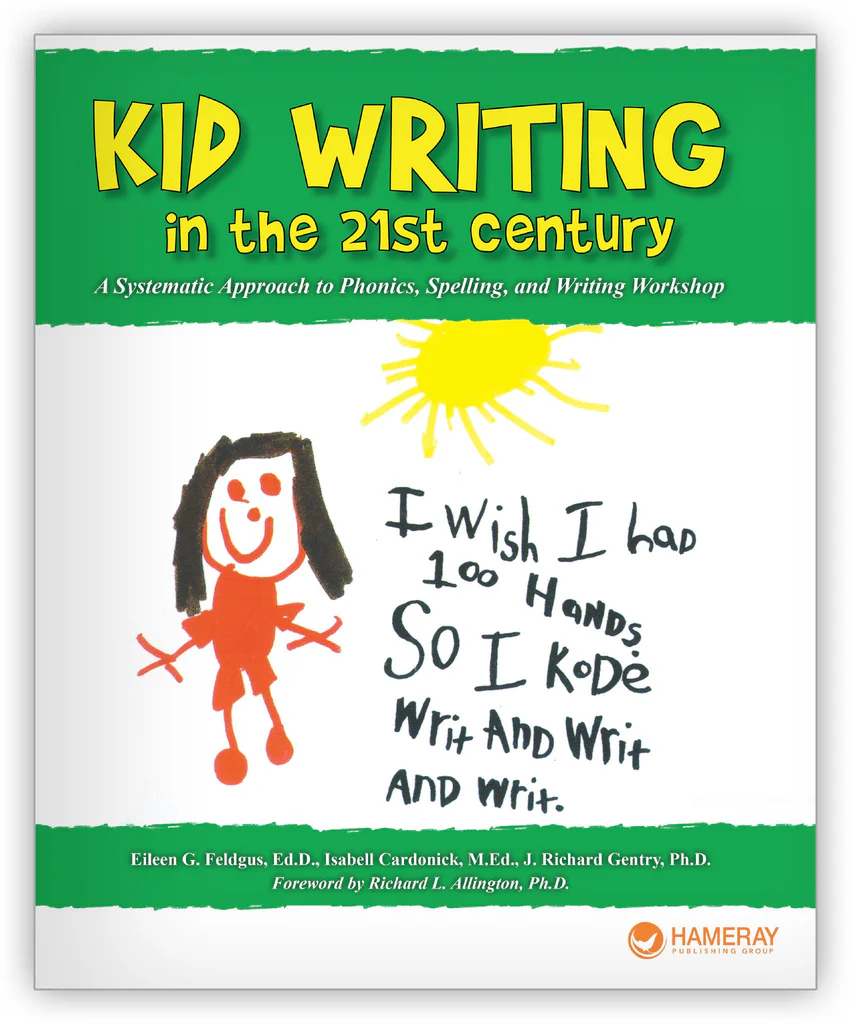
3. Fine motor skills and handwriting develop together, not in isolation.
Writing researchers have shown through meta-analyses that activities that only focus on gross and fine motor exercises — without letter formation and handwriting instruction — do not significantly improve children’s handwriting (LINK). Children can develop their motor control by actually writing, not just by cutting, beading, or doing unrelated fine motor tasks. The best place for children to develop their motor skills for writing is by writing!
What this means for practice
- ✅ Offer emergent writing opportunities as early as possible: Provide children with crayons, chunky pencils, regular pencils, markers, and blank picturebooks. Understand children’s marks as being their early writing.
- ✅ Integrate handwriting instruction gradually: Provide letter-formation instruction and meaningful writing tasks — for example book-making (LINK).
- ✅ Support motor development within context: Strengthen small-muscle control through motor skill activities, handwriting instruction and authentic writing projects, rather than relying on motor exercises alone.
- ❌ Don’t demand perfect cursive or flawless handwriting from very young children: The goal is accuracy and fluency, not adherence to a particular handwriting style.
The bottom line
Emergent writing + letter formation and handwriting instruction + motor skill activities + meaningful writing opportunities provide the strongest bridge to fluent handwriting and writing success.
The ‘bones aren’t ready’ and ‘motor skills first’ argument oversimplifies child development and risks delaying important writerly experiences. Rather than waiting for perfect motor skills or ossified bones, we should nurture children’s natural curiosity and give them real reasons to write (and learn more about writing) from the very start [LINK].